Traverse City


(231) 922-9100

Like Us On Facebook

Blog

What Is a Stoma and How It Helps After Ostomy Surgery

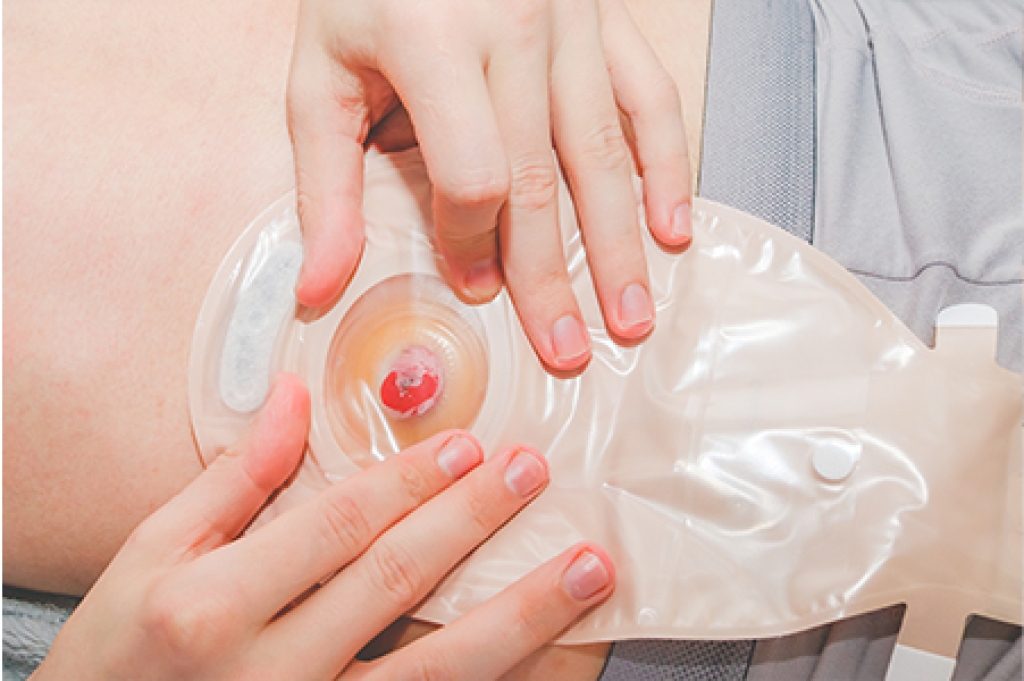
A stoma is an opening created during ostomy surgery that allows waste to leave the body. It is usually placed on the abdomen and connected to either the bowel or bladder. After surgery, waste leaves the body through this small opening into a special bag or pouch attached to the skin. The stoma itself is soft, moist, and pinkish-red, and it does not have feeling since it has no nerve endings. Caring for the skin around the stoma and using the right supplies can help keep the area healthy and comfortable. Many people with a stoma return to work, exercise, and enjoy regular activities once they learn proper care. If you notice skin irritation or have trouble with your supplies, it is suggested you contact an ostomy specialist for guidance and support. With the right care, most people adjust well to life with a stoma.

Ostomy Care and Support Services
Living with an ostomy can feel overwhelming, but with the right care and guidance, patients can regain comfort, confidence, and control in their lives. Our practice is dedicated to supporting individuals at every stage of their ostomy journey. Whether the surgery is new or long behind you, our specialists focus on helping you adapt comfortably and address any challenges that arise.
An ostomy is a surgically created opening that allows waste to leave the body through the abdomen. This can be necessary after certain medical conditions or surgeries involving the digestive or urinary system. Colostomy, ileostomy, and urostomy are common types of ostomies. Each requires specific care and attention, and our experienced team is skilled in managing all types.
Our specialist provides personalized care plans, beginning with detailed education on how to care for your stoma, or opening to the waste system, managing your pouching system, and protecting the surrounding skin. We also offer troubleshooting assistance for common issues such as leakage, skin irritation, and improper fit of appliances. Helping you achieve a secure and comfortable fit is one of our top priorities, as it can significantly impact your quality of life.
In addition to hands-on care, we believe education is empowering. Our team takes time to explain changes to your body, guide you through product options, and address emotional concerns with compassion. We understand that living with an ostomy is not only a physical adjustment but also an emotional one, and we are here to provide both clinical and personal support.
We work closely with your other possible healthcare providers to ensure seamless coordination of your care. From helping with pouching supplies to teaching skin protection techniques, our team is committed to helping you feel more at ease in your daily life.
Learn more about this procedure today. Our caring specialists are ready to help you navigate this journey with confidence and dignity.
What complications can occur with an ostomy?
Skin irritation, leakage, and stoma blockage are common concerns that may require medical attention or changes in pouching techniques.

Can you live a normal life with an ostomy?
Most people return to work, exercise, and travel after surgery, although adjustments in diet and pouch management are often necessary.

If you have any questions, please feel free to contact our offices located in Traverse City, MI . We offer the newest diagnostic and treatment technologies for all your foot care needs.


Read more about Ostomy

Do Your Child's Feet Hurt?

Have your child's feet been examined lately? Healthy feet are happy feet. If your child is complaining of foot pain, it may be a sign of underlying problems.

Simple Exercises to Keep Aging Feet Strong

Maintaining foot strength and flexibility becomes increasingly important with age, as it helps support balance, mobility, and overall comfort. Regular movement encourages circulation, reduces stiffness, and can lower the risk of common issues associated with conditions like osteoarthritis. Walking is one of the easiest and most effective activities, promoting blood flow and keeping joints active without excessive strain. Heel and toe lifts are another helpful exercise to strengthen the muscles in the feet and lower legs while improving stability when standing or moving. Ankle pumps, performed by gently flexing and pointing the feet, can enhance circulation and reduce swelling, especially after long periods of sitting. Incorporating these simple exercises into a daily routine can support healthier, more resilient feet, and help maintain independence and comfort over time. If you experience ongoing discomfort or mobility issues, it is suggested that you consult a podiatrist for personalized guidance and care.

Poor circulation is a serious condition and needs immediate medical attention. If you have any concerns with poor circulation in your feet contact Dr. Ronald K. Olm of Grand Traverse Foot & Ankle Center. Our doctor will treat your foot and ankle needs.

Poor Circulation in the Feet

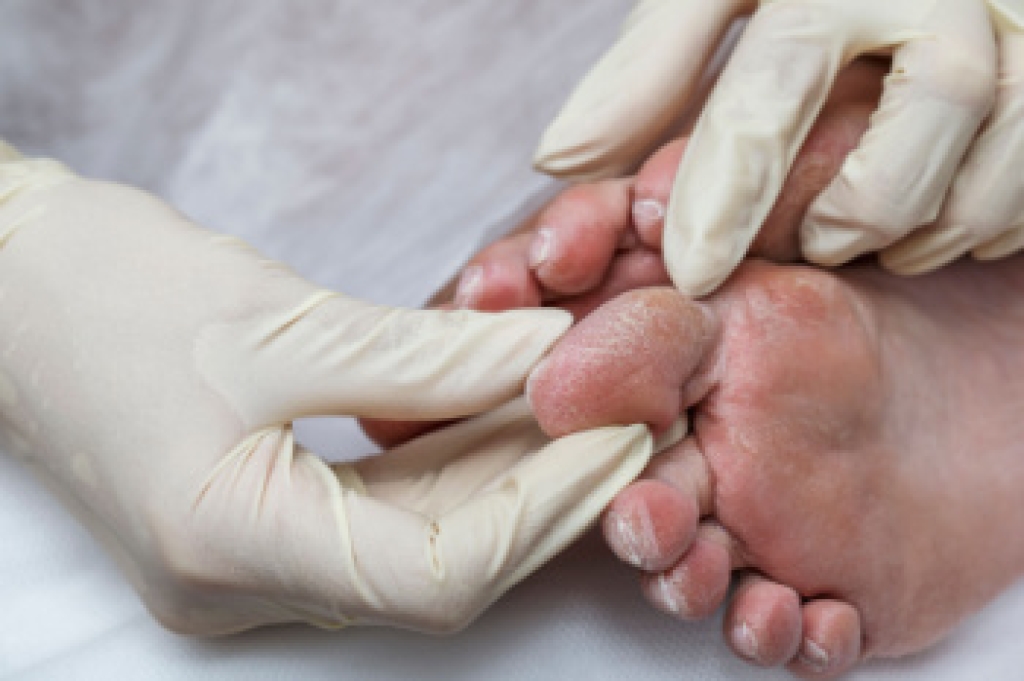
Poor blood circulation in the feet and legs is can be caused by peripheral artery disease (PAD), which is the result of a buildup of plaque in the arteries.

Plaque buildup or atherosclerosis results from excess calcium and cholesterol in the bloodstream. This can restrict the amount of blood which can flow through the arteries. Poor blood circulation in the feet and legs are sometimes caused by inflammation in the blood vessels, known as vasculitis.

Causes

Lack of oxygen and oxygen from poor blood circulation restricts muscle growth and development. It can also cause:

  • Muscle pain, stiffness, or weakness 
  • Numbness or cramping in the legs
  • Skin discoloration
  • Slower nail & hair growth
  • Erectile dysfunction

Those who have diabetes or smoke are at greatest risk for poor circulation, as are those who are over 50. If you have poor circulation in the feet and legs it may be caused by PAD and is important to make changes to your lifestyle in order to reduce risk of getting a heart attack or stroke. Exercise and maintaining a healthy lifestyle will dramatically improve conditions.

As always, see a podiatrist as he or she will assist in finding a regimen that suits you. A podiatrist can also prescribe you any needed medication. 

If you have any questions, please feel free to contact our offices located in Traverse City, MI . We offer the newest diagnostic and treatment technologies for all your foot care needs.
Read more about Causes Symptoms and Treatment for Poor Circulation in the Feet

Saving Limbs Through Early and Team-Based Foot Care

Severe circulation problems in a lower extremity and open sores with infection can place a limb at serious risk. This is especially true for people with diabetes, where nerve damage and reduced blood flow can delay healing and mask early warning signs. In many cases, loss of part of the leg can be prevented when care begins early and is well-coordinated. These conditions are rarely simple. Pressure, bacteria, and poor tissue health often combine, making recovery more difficult. Successful care often involves a group of providers working together, including specialists in circulation, wound care, and foot health. Each focuses on restoring blood flow, reducing pressure, and supporting healing. Regular monitoring and patient involvement also play an important role. If you have diabetes and notice a slow-healing sore or signs of infection, it is suggested that you are under the care of a podiatrist for appropriate treatment and help in managing this serious condition. 

Diabetic Limb Salvage

Diabetic limb salvage can be an effective way in preventing the need for limb amputation. If you have a foot ulcer and diabetes, consult with Dr. Ronald K. Olm from Grand Traverse Foot & Ankle Center. Our doctor will assess your condition and provide you with quality foot and ankle treatment.

What Is Diabetic Limb Salvage?

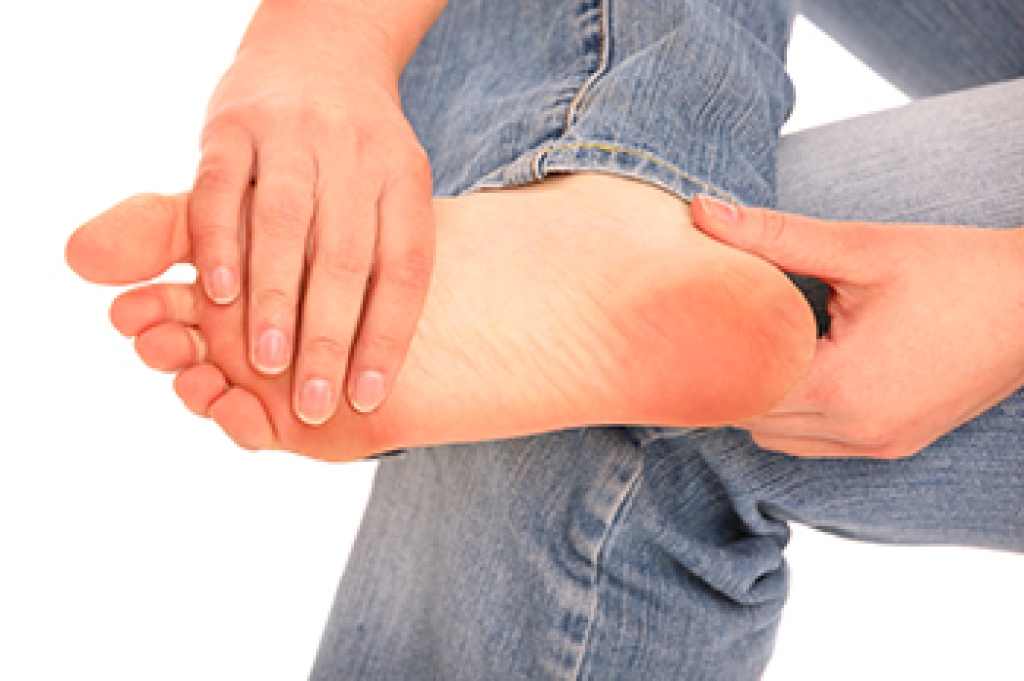
Diabetic limb salvage is the attempt of saving a limb, such as the foot, that has an infected ulcer, from amputation. Podiatrists also try to make sure that there is enough function in the foot after the salvage that it is still usable. Those with diabetes experience poor blood circulation, which prevents proper healing of an ulcer. If the ulcer is left uncheck, it could become infected, which could result in the need for amputation.

Diabetes is the number one cause of non-traumatic amputations in the United States. Amputation has been found to lead to higher mortality rates. This translates into higher healthcare costs, and a reduced quality of life and mobility for amputees. Podiatrists have attempted to increase the prevalence of limb salvage in an attempt to solve these issues.

Diagnosis and Treatment

Limb salvage teams have grown in recent years that utilize a number of different treatments to save the infected limb. This includes podiatrists that specialize in wound care, rehabilitation, orthotics, and surgery. Through a combination of these methods, limb salvage has been found to be an effective treatment for infected limbs, and as an alternative to amputation. Podiatrists will first evaluate the potential for limb salvage and determine if the limb can be saved or must be amputated. 

If you have any questions, please feel free to contact our offices located in Traverse City, MI . We offer the newest diagnostic and treatment technologies for all your foot care needs.
Read more about Diabetic Limb Salvage

Dealing With Tendonitis

Foot tendinitis occurs when one or more tendons become irritated or inflamed, often due to overuse or strain. Pain may develop along the top, side, or arch of the foot, and it can feel achy, sharp, or tight with movement. The area may appear slightly swollen and tender to the touch, and discomfort often worsens during walking, running, or standing for long periods. Foot tendinitis is commonly linked to repetitive activity, sudden increases in exercise, improper footwear, or structural imbalances in the foot. A podiatrist can evaluate the affected tendon through a physical exam and may use imaging to confirm the diagnosis. Treatment typically focuses on reducing inflammation and restoring function with supportive footwear, custom orthotics, and targeted exercises to strengthen and stabilize the foot. Early care can help prevent worsening symptoms or chronic injury. If you have ongoing foot pain, it is suggested that you make an appointment with a podiatrist.

Foot Pain

Foot pain can be extremely painful and debilitating. If you have a foot pain, consult with Dr. Ronald K. Olm from Grand Traverse Foot & Ankle Center. Our doctor will assess your condition and provide you with quality foot and ankle treatment.

Causes

Foot pain is a very broad condition that could be caused by one or more ailments. The most common include:

  • Bunions
  • Hammertoes
  • Plantar Fasciitis
  • Bone Spurs
  • Corns
  • Tarsal Tunnel Syndrome
  • Ingrown Toenails
  • Arthritis (such as Gout, Rheumatoid, and Osteoarthritis)
  • Flat Feet
  • Injury (from stress fractures, broken toe, foot, ankle, Achilles tendon ruptures, and sprains)
  • And more

Diagnosis

To figure out the cause of foot pain, podiatrists utilize several different methods. This can range from simple visual inspections and sensation tests to X-rays and MRI scans. Prior medical history, family medical history, and any recent physical traumatic events will all be taken into consideration for a proper diagnosis.

Treatment

Treatment depends upon the cause of the foot pain. Whether it is resting, staying off the foot, or having surgery; podiatrists have a number of treatment options available for foot pain.

If you have any questions, please feel free to contact our offices located in Traverse City, MI . We offer the newest diagnostic and treatment technologies for all your foot care needs.

Read more about Foot Pain
Connect with us